THE LOST ART OF TACTILE FEEDBACK: LESSONS FROM THE BLUCORE CORSUIT
Every superhero needs a gadget. For a brief time in the swimming world, that gadget was the BluCore Corsuit.
While this unique device is no longer on the market, the problem it solved, poor body posture, is timeless. The Corsuit offered a brilliant solution: tactile feedback. It forced you to feel your mistakes in real-time.
This article explores the lessons we can learn from this "lost" piece of swim gear and how you can apply its principles to your swimming today using modern alternatives and drills.
Dive Into: The Lessons of the Corsuit
- The Concept: Why Tactile Feedback Works
- The Problem: Why We Need Posture Correction
- What the Corsuit Did (And Why It Worked)
- Modern Alternatives: How to Get the Same Benefit Today
- Frequently Asked Questions
The Concept: Why Tactile Feedback Works
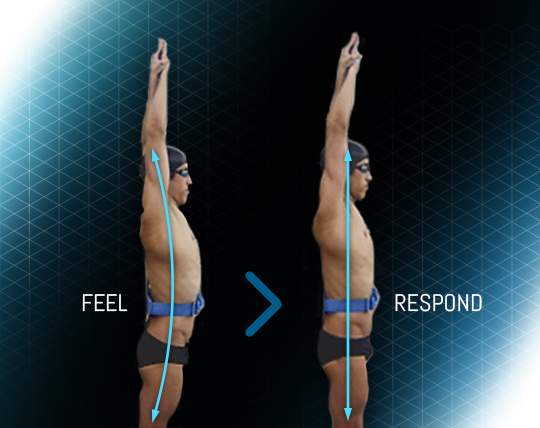
Swimming is hard because you can't see yourself. A coach can yell "lift your hips," but if you can't feel what high hips feel like, it's hard to fix.
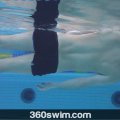
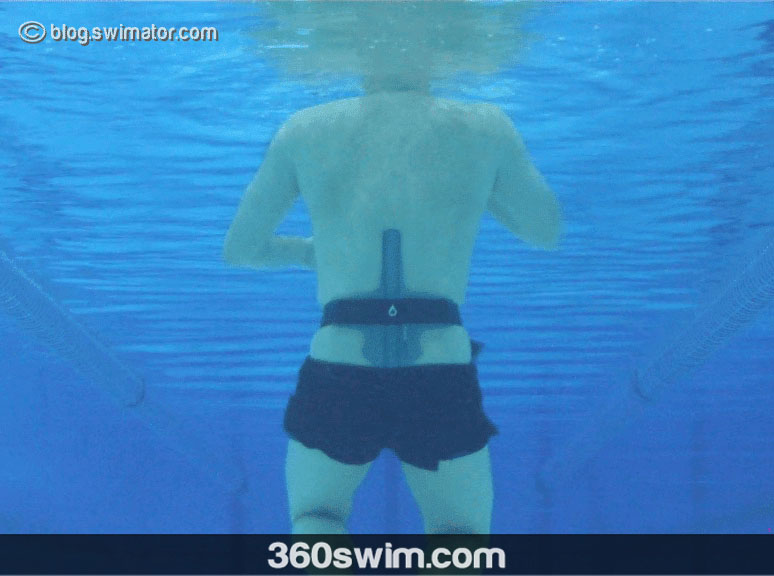
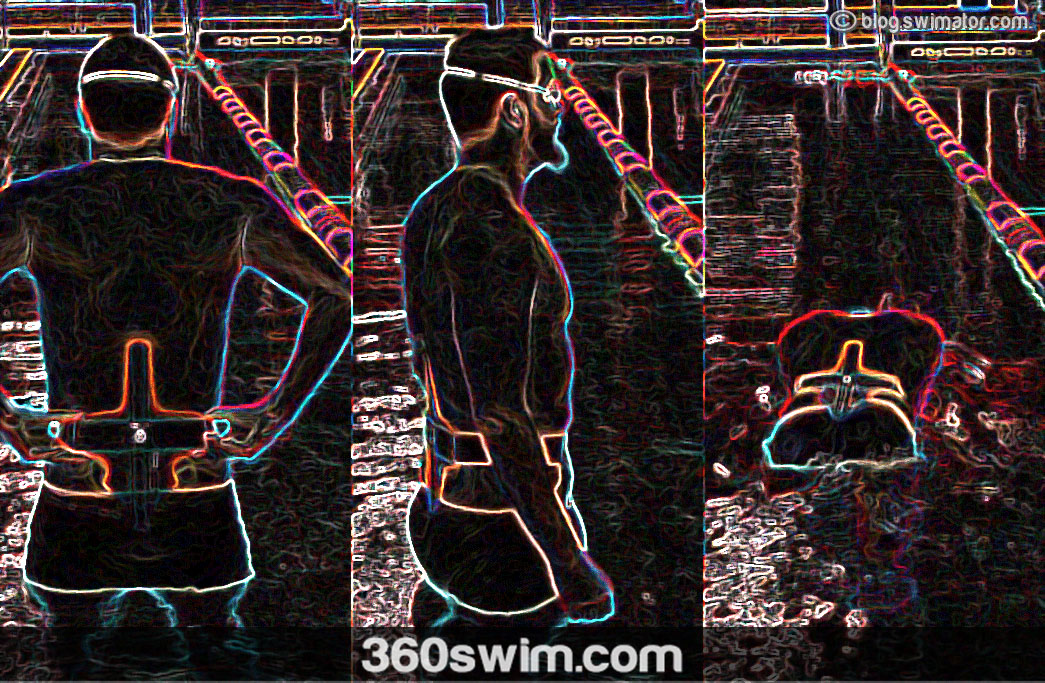
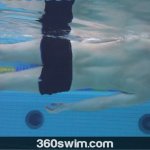
The Corsuit solved this by providing a physical surface against your lower back. If your back arched (a common cause of sinking legs), you felt the device press against you. This instant, physical feedback allowed the brain to correct the movement immediately.
The Problem: Why We Need Posture Correction
Learning to swim involves five high-level parts:
- Comfort in the water
- Body balance and kicking
- Breathing
- Arm propulsion
- Coordination (putting it all together)
The Corsuit focused on that critical second step: holding a buoyant, horizontal position.
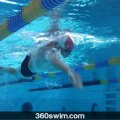
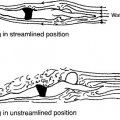
Many swimmers struggle because they don't know how to engage their core to keep their body straight. This leads to "snaking" through the water or swimming with the legs dragging low. This drag is the enemy of speed.
What the Corsuit Did (And Why It Worked)
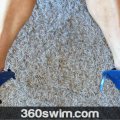
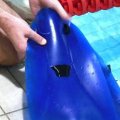
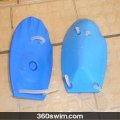
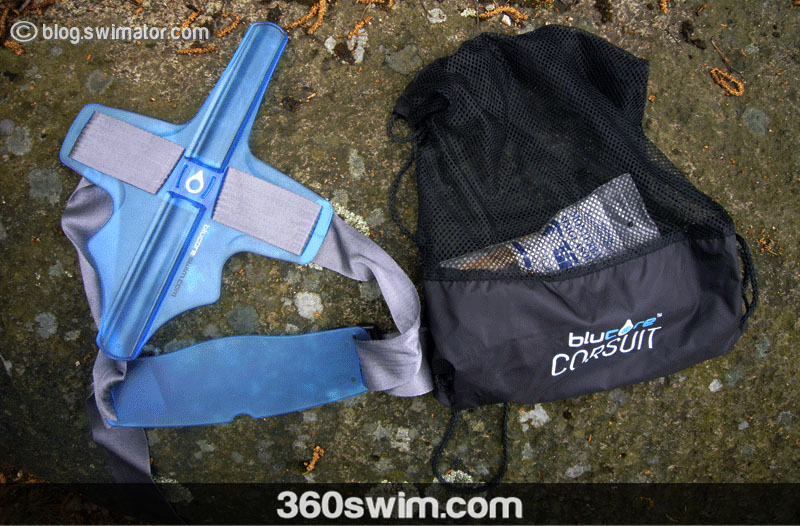
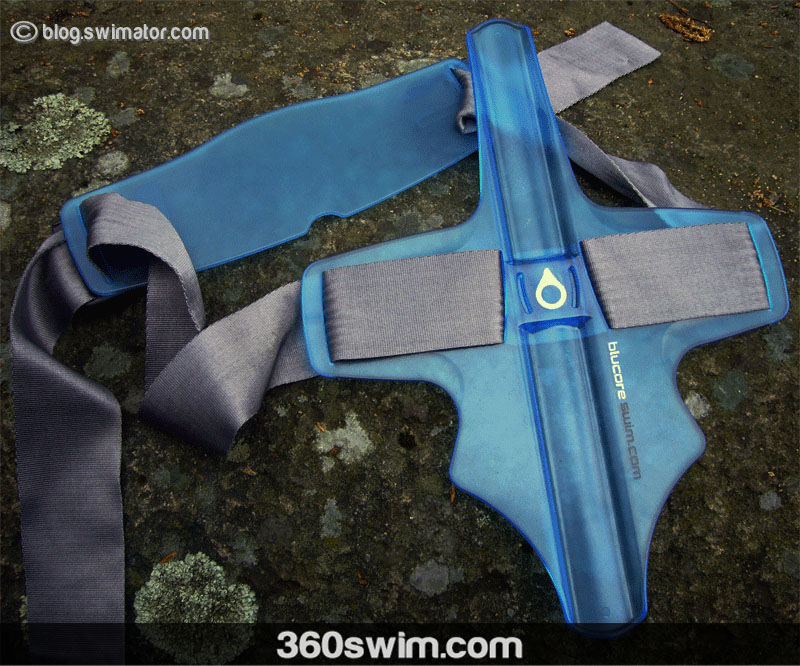
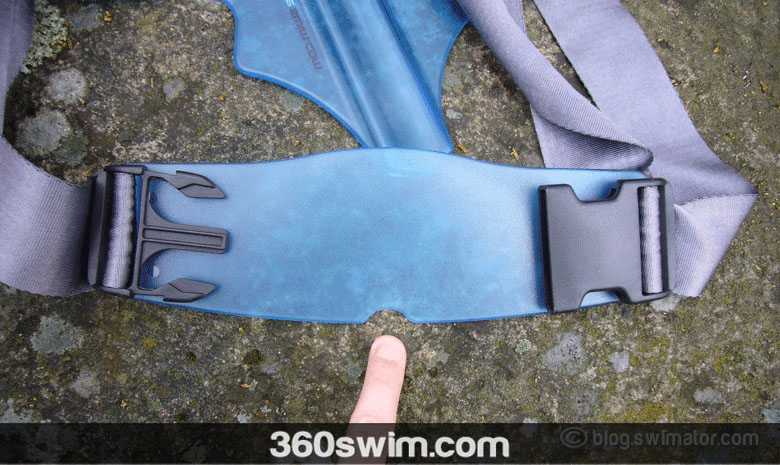
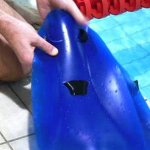
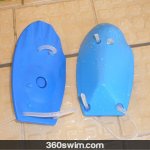
The device strapped around the waist, acting like a gentle brace.
- For Sinking Legs: It gave swimmers a surface to press their lower back against, encouraging a flatter spine and engaged core.
- For Alignment: The rigid structure helped swimmers feel if they were bending too much side-to-side during rotation.
- For Butterfly: It provided feedback if a swimmer was undulating too much from the lower back rather than the chest.
- For Sprinting: If you train for short sprint events, you could use the Corsuit for getting constant feedback about your hip position, so you can keep them nice and flat and eliminate your kick losing power to the sides.
- For Breaststroke: It helped to limit the arc in your back and improves your up-and-over motion to keep you focused on the forward movement with your hips high at the surface.
It was a "coaching toy" that never got tired of correcting you.
Modern Alternatives: How to Get the Same Benefit Today
Since you can't buy a Corsuit anymore, how can you replicate its benefits?
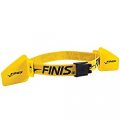
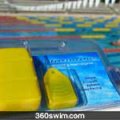
1. The FINIS Posture Trainer This is the closest modern equivalent. It is a small plastic guide that fits on the back of your head strap. If you lift your head too high (which drops your hips), it taps you on the neck. It uses the same principle of tactile feedback to correct alignment.
2. The "Push the Buoy" Drill You can simulate the feeling of a flat back mentally. Imagine you have a buoy inside your stomach. To keep your hips up, you need to press that buoy down into the water. Or, imagine pressing your lower back against the ceiling.
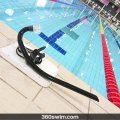
3. Snorkel Training Using a center-mount snorkel removes the need to turn your head to breathe. This allows you to devote 100% of your mental energy to feeling your body line and keeping your spine straight, mimicking the focus the Corsuit provided.
4. Dryland Core Work The Corsuit was often used on land to ensure good posture during exercises. You can achieve this by being mindful of your "pelvic tilt" during your dryland workouts. Focus on keeping a neutral spine and not letting your lower back arch excessively.
While the gadget is gone, the lesson remains: body position is king. Find ways to get feedback on your posture, and you will swim faster and easier.
Frequently Asked Questions
What was the BluCore Corsuit?
The Corsuit was a wearable device designed to provide tactile feedback on a swimmer's posture. It acted like a brace for the lower back, helping swimmers feel when they were arching their back or letting their hips sink.
Why is tactile feedback important in swimming?
Swimming is sensory-deprived. It's hard to see your own body. Tactile feedback (feeling something touch you) helps your brain instantly understand your body position, allowing you to correct flaws like a dropped hip or arched back in real-time.
Is the Corsuit still available?
No, the Corsuit is no longer manufactured. However, the principles it taught, core engagement and spinal alignment, can still be practiced using other tools and drills.
What are modern alternatives to the Corsuit?
While no direct replacement exists, the FINIS Posture Trainer is a similar tool that provides tactile feedback for head and back position. You can also use a simple snorkel to focus on alignment without the distraction of breathing.
How can I fix my sinking legs without a Corsuit?
The key is engaging your core to flatten your lower back. Imagine pressing your belly button toward your spine. Drills like 'Soldier Kick' (arms at sides) or swimming with a snorkel can help you focus on this sensation.
Can I wear the Corsuit for all four strokes?
Yes. It is effective for freestyle (body rotation), backstroke (posture), butterfly (preventing excessive undulation), and breaststroke (limiting back arch).
Stuck at the same pace?
Your technique might be the problem.
Describe what's holding you back, sinking legs, breathing, no rotation, and get a personalised drill sequence when we launch.
Be one of the first to get access.
 LNURL1DP68GURN8GHJ7URP0YHRXD3SWDMKJMFWVDHK6TMVDE6HYMRS9A4HSCNCWFXSH3NN0H
- or simply send using my Lightning Address⚡swmtr@360swim.com or swmtr@getalby.com
Swim Advice Topics
The Lost Art of Tactile Feedback: Lessons from the BluCore Corsuit is part of the following categories:Swimming articles you might also like:




Speak your mind
🎧 New Podcast
 Turn your commute into swim training.
Binge-Listen Here Full playlist · screen-off friendly