THE LZR RACER: A LOOK BACK AT SWIMMING'S "SUPER SUIT" SAGA
In early 2008, the swimming world was turned upside down. A revolutionary new swimsuit, the Speedo LZR Racer, was released, promising to make swimmers faster than ever before. What followed was the most chaotic, record-shattering, and controversial period in the sport's history: the "super suit" era.
This article takes a look back at that time, exploring the technology behind these infamous suits, the unprecedented assault on the record books, and the eventual ban that changed the sport forever.
Dive Into: The "Super Suit" Saga
- The Arrival: What Was the LZR Racer?
- The Controversy: "Technological Doping"
- The Ban and its Aftermath
- Frequently Asked Questions
The Arrival: What Was the LZR Racer?
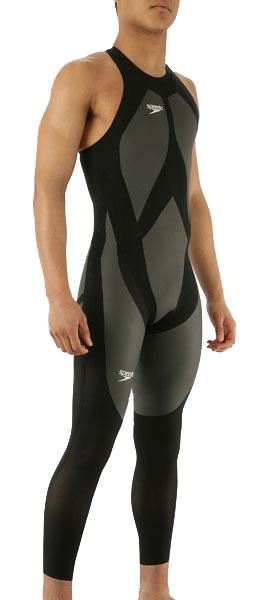
When Speedo launched the LZR Racer in 2008, it was unlike anything seen before. Developed with help from NASA, the suit featured ultrasonically bonded seams and, most importantly, special polyurethane panels.
The claims were astounding: a 5% reduction in drag and a 5% improvement in oxygen uptake.
The suit acted like a corset, compressing the swimmer's body into a more perfect streamline. The polyurethane panels also repelled water and trapped air, which significantly increased buoyancy, lifting the swimmer higher in the water.
The Controversy: "Technological Doping"
The impact was immediate and undeniable. At the 2008 Beijing Olympics, swimmers wearing the LZR Racer won 94% of all gold medals and were responsible for 23 of the 25 world records broken.
Other manufacturers rushed to release their own 100% polyurethane suits, like the Jaked J01 and the Arena X-Glide. The result was a technological arms race that culminated at the 2009 World Championships in Rome, where an incredible 43 world records were broken in a single meet.
The sport was in chaos. Swimmers were breaking records by whole seconds, and many felt the focus had shifted from the athlete to their equipment. The term "technological doping" was widely used, and there was a huge outcry to save the integrity of the sport.
The Ban and its Aftermath
In response to the controversy, FINA (now World Aquatics) made a decisive move. Effective January 1, 2010, all non-textile, full-body "super suits" were banned from competition.
The new rules mandated that swimsuits must be made from woven textile materials and placed strict limits on their coverage (jammers for men, open-back kneeskins for women).
The ban had a profound effect. The world record pace slowed dramatically, and it took many years for some of the "super suit" records to be broken by swimmers in textile suits. The era was over, but it remains a fascinating and controversial chapter in swimming history.
Frequently Asked Questions
What was the Speedo LZR Racer suit?
The LZR Racer was a revolutionary full-body swimsuit released in 2008. It featured ultrasonically welded seams and polyurethane panels that dramatically reduced drag, increased buoyancy, and provided muscle compression. It was the first and most famous of the 'super suits'.
Why were the 'super suits' so controversial?
The suits were so effective that they led to an unprecedented number of world records being broken in 2008 and 2009. This sparked a huge controversy, with many in the sport calling it 'technological doping' and arguing that the suits, not the swimmers, were breaking the records.
Are the LZR Racer and other polyurethane suits still legal?
No. In 2010, FINA (now World Aquatics) banned all non-textile, full-body 'super suits'. Modern technical race suits are now made from woven textile fabrics and have strict limitations on their design and coverage.
How did the LZR Racer suit make swimmers faster?
The suit's polyurethane panels repelled water and trapped air, which significantly increased buoyancy. Its corset-like compression also streamlined the swimmer's body, reducing drag and improving their body position in the water.
How many world records were broken during the super suit era?
In the period from the LZR Racer's debut in early 2008 to the ban at the end of 2009, over 130 world records were broken, with an incredible 43 falling at the 2009 World Championships alone.
Stuck at the same pace?
Your technique might be the problem.
Describe what's holding you back, sinking legs, breathing, no rotation, and get a personalised drill sequence when we launch.
Be one of the first to get access.
 LNURL1DP68GURN8GHJ7URP0YHRXD3SWDMKJMFWVDHK6TMVDE6HYMRS9A4HSCNCWFXSH3NN0H
- or simply send using my Lightning Address⚡swmtr@360swim.com or swmtr@getalby.com
Swim Advice Topics
The LZR Racer: A Look Back at Swimming's "Super Suit" Saga is part of the following categories:Swimming articles you might also like:







Speak your mind
🎧 New Podcast
 Turn your commute into swim training.
Binge-Listen Here Full playlist · screen-off friendly






















Comments (1)